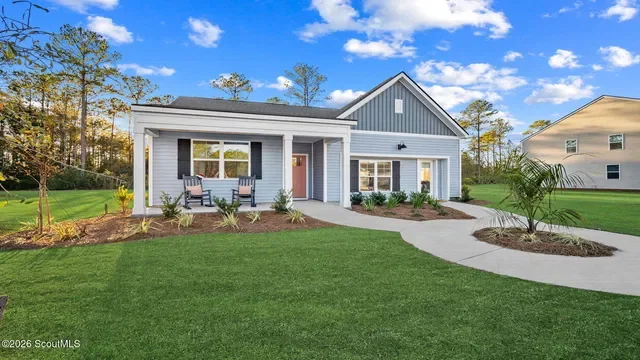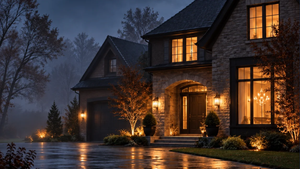
Shopping for a newly built home between $275,000 and $395,000? This guide explains the practical decisions behind the purchase—from finding available homes to understanding insurance, HOA rules, inspections and builder contracts. It is written for buyers who want clear answers, whatever their reason for moving.
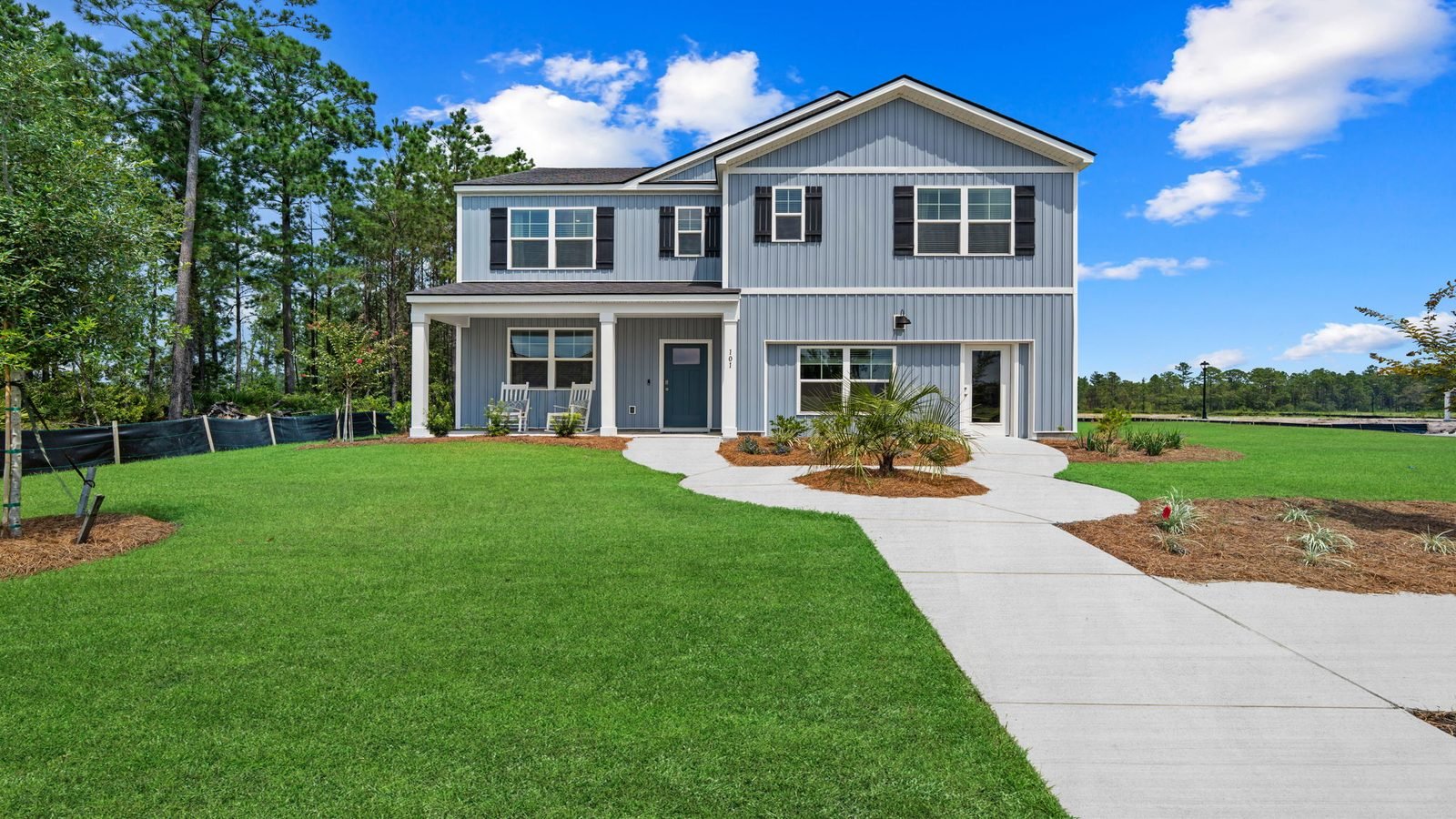
Prepared for Avalon Properties Group · Tom McBride, real estate broker · Brunswick and the Golden Isles · Editorial draft, not yet agent-reviewed
In this guide we will cover:
1 What new-construction homes can I buy in Brunswick for $275,000–$395,000?
2 What will my total monthly payment be on a new home in Brunswick?
3 How do I compare Brunswick new-home communities and floor plans?
4 Do I need flood insurance for a new home in Brunswick, Georgia?
5 What are the HOA fees and rules in Brunswick’s new-home communities?
6 Are there property-tax breaks for Brunswick homeowners age 62 or 65 and older?
7 Can I negotiate builder incentives or mortgage-rate buydowns?
8 Should I use my own real estate agent when buying directly from a Brunswick builder?
9 Do I still need an independent inspection on a brand-new home?
10 What does a Georgia new-home builder warranty cover?
SECTION 1 / 10
What new-construction homes can I buy in Brunswick for $275,000–$395,000?
Yes, buyers can look for new-construction homes in Brunswick within a $275,000–$395,000 budget, but availability, finished-home status and advertised prices must be checked at the time of the search. A community's “from” price does not mean a completed home is available at that price.
Start with the actual home, not the advertisement:
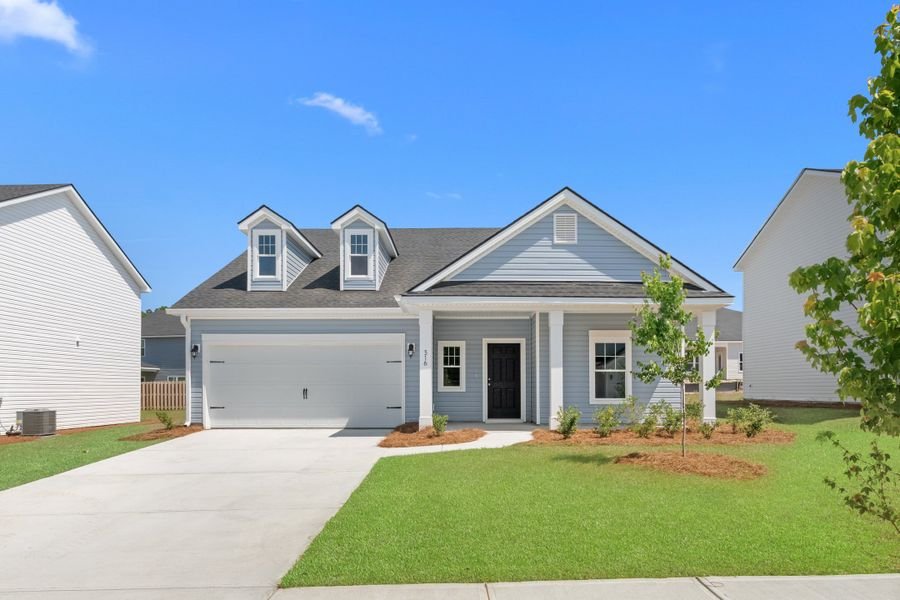
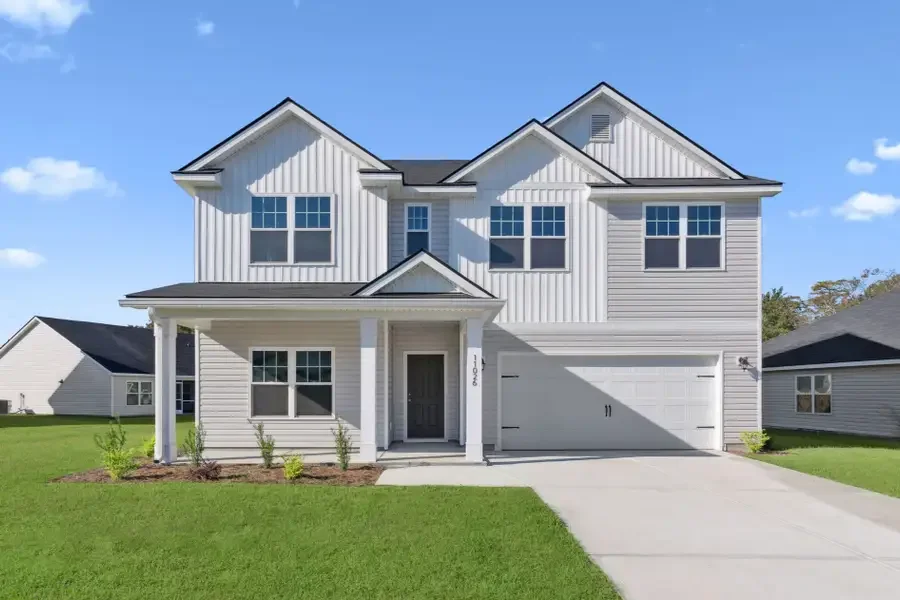
Some builders advertise a base floor plan before selecting a lot or upgrades. Others market a specific home with a particular completion date. Ask for the full address or lot number, the included features, the current price, and whether the property is completed, under construction or proposed. A useful comparison should separate these categories rather than mix them together.
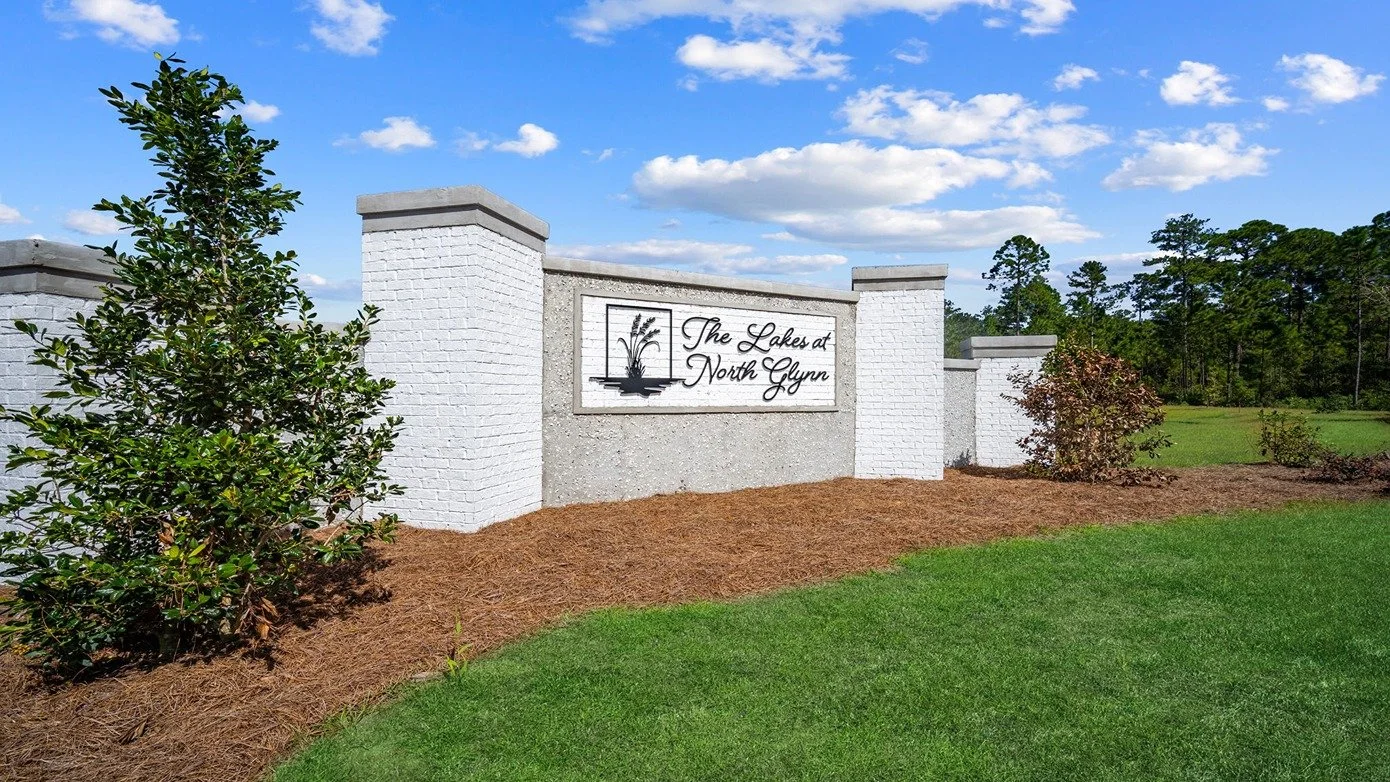
In Brunswick, community searches can include Altama, McKenzie Gardens and the North Glynn area, but community names are research starting points—not a claim that a particular listing is available today. Confirm the exact municipal address, since a Brunswick mailing address can describe property outside city limits.
Compare the full acquisition cost:
For each candidate, request a written breakdown of the base price, lot premium, structural options, design upgrades, HOA charges, incentives and estimated closing costs. The CFPB Loan Estimate guide explains how financing costs and cash to close are presented. For example, a hypothetical $315,000 base home with $12,000 in selected upgrades would be $327,000 before closing costs; it is not a quoted local listing.
Next step: Ask for a dated shortlist of specific Brunswick-area homes that are actually offered between $275,000 and $395,000, including build status and inclusions.
SECTION 2 / 10
What will my total monthly payment be on a new home in Brunswick?
The monthly cost of a new home is more than principal and interest. Budget for property taxes, homeowners insurance, any required flood insurance, mortgage insurance where applicable, and HOA dues—even when some of these are paid separately from the mortgage.
Use the lender's written estimate:
The Consumer Financial Protection Bureau explains that a Loan Estimate identifies projected payments, taxes, insurance and cash to close. Ask two or more lenders for estimates using the same home price, down payment, loan type and rate-lock assumptions. That is a much fairer comparison than looking at a builder's promotional payment alone.
A simple hypothetical comparison:
Suppose a home has a hypothetical $1,850 monthly principal-and-interest payment, $250 monthly property-tax allowance, $190 homeowners insurance, $65 HOA dues and $95 flood insurance. The arithmetic is $1,850 + $250 + $190 + $65 + $95 = $2,450 per month, excluding utilities and maintenance. These are invented teaching inputs, not Brunswick quotes, current mortgage rates or a promise of eligibility.
Property taxes may change when newly completed improvements are assessed. Request a property-specific estimate rather than assuming a vacant-lot tax bill will continue. Likewise, coastal insurance premiums depend on the home, location, coverage and insurer.
The CFPB comparison worksheet helps buyers weigh closing costs and lender credits as well as the payment.
Next step: Build a property-by-property cost sheet from lender estimates, insurance quotes, current HOA documents and a tax-office estimate before deciding which home is affordable.
SECTION 3 / 10
How do I compare Brunswick new-home communities and floor plans?
Compare Brunswick new-home communities by total ownership cost, location, home layout, included finishes, lot characteristics and neighborhood rules—not just the model-home appearance. The best choice is the one that works for your everyday needs and your budget.
Use the same comparison sheet:
Record the quoted purchase price, completed square footage, number of stories, bedroom flexibility, storage, garage dimensions, outdoor space, accessibility features, HOA costs and estimated completion date. Ask what is standard versus an upgrade. A model home may display options that are not included in the base price.
Brunswick-area addresses can be spread across different road corridors and jurisdictions. Test your own drives to work, family, medical appointments, shopping or recreational destinations at the times you expect to travel. Do not assume a particular community suits someone simply because of their age.
Compare what you can verify:
Visit a completed example of the exact plan if possible. Measure furniture clearances, check the kitchen workflow, inspect storage and look at where neighboring homes will be built. Ask about future phases, construction traffic and who maintains common areas. Review the plat and HOA documents before relying on a sales brochure.
When financing differs between builders, the CFPB recommends comparable Loan Estimates rather than comparing unlike promotional payments. A $10,000 incentive may be less valuable than a different plan with lower recurring costs; the answer depends on the actual contract and financing.
Next step: Tour your top two or three communities using the same checklist, then request written answers to the unanswered questions before signing.
SECTION 4 / 10
Do I need flood insurance for a new home in Brunswick, Georgia?
Flood insurance may be required for a new Brunswick home, depending on its mapped flood zone, financing and lender requirements. A brand-new house is not automatically exempt from flood risk, and a home outside a high-risk zone can still flood.
Check the specific property:
Look up the address or parcel at the FEMA Flood Map Service Center. The National Flood Insurance Program explains that high-risk A and V zones can trigger mandatory flood coverage for federally backed mortgages; lenders may also impose requirements elsewhere. See FloodSmart’s zone guide for the distinctions. A neighborhood name or ZIP code is not enough to establish a home's flood designation.
Insurance and construction details:
Ask the builder for any available elevation certificate or flood-related building documentation. Request a quote from an insurance professional for the actual address, dwelling characteristics, deductible and desired coverage. Homeowners insurance generally does not replace flood insurance. A newly built home may have modern construction features, but that alone does not determine premium or risk.
For a coastal Georgia buyer, it also helps to ask about drainage around the lot, stormwater infrastructure and any history of standing water in the area. Distinguish the official mapped flood zone from other weather-related concerns, such as heavy rain or storm surge.
A hypothetical comparison: if one home needs a $1,200 annual flood policy and another does not, the first carries $100 per month in additional budgeted expense. That example is arithmetic only, not a local premium quote.
Next step: Check FEMA's map, ask the lender what coverage is required and obtain a written address-specific insurance quote before your due-diligence deadline.
SECTION 5 / 10
What are the HOA fees and rules in Brunswick’s new-home communities?
HOA fees and rules vary by Brunswick new-home community; there is no reliable single fee for all neighborhoods. Before purchasing, obtain the current governing documents, budget and written fee schedule for the specific property.
Look beyond the monthly dues:
Ask whether dues are monthly, quarterly or annual, what services they cover and whether there are initiation, transfer, capital-contribution or special-assessment charges. Some neighborhoods provide shared amenities; others mainly maintain entrances, landscaping or stormwater facilities. Do not assume an amenity is included merely because it appears in marketing materials.
Review architectural rules for fences, sheds, exterior paint, landscaping, parking, boats, recreational vehicles, rentals and pets. These restrictions can matter more than the dollar amount of dues. Ask whether the builder still controls the association and when control is expected to transfer to owners.
Use the documents, not verbal assurances:
Request the recorded covenants, bylaws, current operating budget, reserve information if available, rules and recent meeting minutes. Ask the seller or builder to confirm any pending changes or assessments in writing. If an important provision is unclear, consider having a Georgia real estate attorney review it.
For budgeting, a hypothetical $900 annual HOA fee equals $75 per month ($900 ÷ 12). It does not mean the mortgage lender will collect that amount with your payment. The CFPB Loan Estimate explainer distinguishes mortgage payments from other housing expenses.
Next step: Make HOA document review a required step for every community on your shortlist and compare the actual restrictions side by side.
SECTION 6 / 10
Are there property-tax breaks for Brunswick homeowners age 62 or 65 and older?
Yes. Glynn County lists homestead exemptions that may benefit qualifying homeowners age 62 or 65 and older, but eligibility depends on the particular exemption, residence requirements and sometimes income. Age alone does not establish that a buyer qualifies.
What the county currently lists:
On its Homestead Exemption & Eligibility page, Glynn County identifies an age-62 non-income-based local exemption (L3), an age-62 income-based local exemption (L4) and an age-65 income-based school-tax exemption (L6). Its published eligibility table also lists regular homestead options and state exemptions. The county page specifies eligibility as of January 1 and provides income and documentation conditions for relevant categories. Verify the rules for the intended tax year before relying on any reduction.
New-home tax estimates deserve special care:
Buyers should not calculate future taxes from a builder's vacant-lot assessment. The value of a completed home can differ substantially from the value previously on the tax roll. Ask the Glynn County Property Appraisal Office to explain the applicable assessment and exemption process for the property.
The county says an initial homestead application is required and describes primary-residence and ownership requirements. It also notes application deadlines and possible extensions in particular circumstances; confirm the current filing window directly with the office rather than relying on an older article.
Next step: Contact the Glynn County Property Appraisal Office at the contact information on its official page, ask which exemption codes might apply, and obtain a property-specific tax estimate. This is general information, not individual tax advice.
SECTION 7 / 10
Can I negotiate builder incentives or mortgage-rate buydowns?
Sometimes you can negotiate builder incentives, closing-cost contributions or mortgage-rate buydowns on a Brunswick new home. Whether an offer is available depends on the builder, the specific home, current inventory and the written purchase agreement; no particular discount is guaranteed.
Understand what the incentive really changes:
A builder might offer a price reduction, an upgrade allowance, closing-cost assistance or a financing incentive through a preferred lender. These are not interchangeable. A lower price affects the amount borrowed and potentially future resale comparisons; a lender credit may reduce upfront costs but can be tied to a different interest rate or loan terms.
The CFPB guide to comparing loan offers explains how to compare origination charges, lender credits, total monthly payments and cash to close. Ask the preferred lender and at least one outside lender for written estimates using equivalent loan assumptions. Read rate-buydown terms carefully: some incentives affect only the early years of a loan.
Ask for a written net comparison:
Imagine two hypothetical offers on the same $335,000 home: one provides a $7,500 closing credit, while the other reduces the price by $7,500. The face values match, but the best choice depends on financing, eligibility, closing costs and expected time in the home. Neither hypothetical offer is evidence of a current Brunswick builder promotion.
Ask when the incentive expires, whether it requires a particular lender, whether it applies to the exact lot and whether any other charges offset the benefit.
Next step: Request a dated, written incentive sheet and compare the complete transaction—not just the promotional headline—before signing.
SECTION 8 / 10
Should I use my own real estate agent when buying directly from a Brunswick builder?
You can choose to work with your own real estate agent when buying a new home directly from a Brunswick builder. The builder's sales representative works for the builder; a buyer should understand whom each professional represents before discussing terms or signing documents.
What an independent buyer's agent can help evaluate:
A buyer's agent can help compare neighborhoods and resale alternatives, review what is included in a builder's price, organize contract questions, track deadlines and coordinate with lenders, inspectors and closing professionals. The agent cannot guarantee a particular outcome or replace a licensed attorney, lender or inspector.
Builder registration and compensation policies vary. Before visiting a model home, ask whether the builder requires your agent to accompany you or register you on the first visit. Also discuss any buyer-broker agreement and exactly how the agent's compensation will be handled. Do not assume the builder always pays the fee or that using an agent is free.
Keep the representation conversation clear:
Ask: “Who represents me in this transaction? Who represents the builder? What services will I receive, what will they cost and what happens if we choose a different community?” These are practical questions whether this is your first purchase or your fifth.
The Georgia Attorney General’s consumer guidance emphasizes written agreements and careful review of building commitments. A Georgia real estate attorney can advise on contract language and legal rights.
Next step: Clarify agency, compensation and builder-registration rules before the first sales-office visit, then keep important promises in writing.
SECTION 9 / 10
Do I still need an independent inspection on a brand-new home?
Yes—an independent home inspection is worth considering even when the Brunswick house is brand-new. New construction can still have incomplete work, installation mistakes or items that need correction, and a municipal code inspection is not a substitute for an inspection performed for the buyer.
Choose the right inspection timing:
For a home still under construction, ask whether a pre-drywall inspection is permitted so visible framing, wiring, plumbing and other work can be reviewed before walls are closed. Near completion, schedule a final inspection with enough time for the builder to address findings before closing if the contract allows. Some buyers also schedule an inspection before the builder's first-year warranty period ends.
Inspection access and repair obligations depend on the contract, so negotiate the inspection rights and deadlines early. Ask whether the inspector has experience with new residential construction and understands coastal Georgia concerns such as moisture management, drainage and roof installation.
Turn the report into an action list:
Separate safety or function concerns from cosmetic punch-list items, document them with photographs and submit them through the builder's designated process. Keep copies of communications and repair confirmations. The Georgia Attorney General recommends written documentation and explains that warranties commonly address specified defects for specified periods.
Do not assume a clean inspection means the home will never need maintenance. Likewise, do not assume every issue an inspector notes is automatically a covered warranty defect.
Next step: Before signing, confirm inspection access, who pays, what happens if significant issues are found and how repairs will be verified.
SECTION 10 / 10
What does a Georgia new-home builder warranty cover?
A Georgia new-home builder warranty covers only what its written terms promise, subject to exclusions, deadlines and claim procedures. Coverage is not uniform across builders, so obtain the actual warranty document for the specific Brunswick home before purchasing.
Read the coverage schedule:
Some warranties distinguish workmanship and materials, mechanical systems and structural components, but you should not assume a standard one-, two- or ten-year package applies. Check the effective date, covered items, exclusions, transferability, deductibles, service process and whether a third-party warranty administrator is involved.
The Georgia Attorney General’s consumer guidance says warranties commonly address defects in materials and workmanship for a specified period and advises owners to follow the stated repair process and keep accurate records. It also warns that contracts or warranties may contain arbitration provisions.
Warranty service versus legal rights:
Georgia's Right to Repair Act establishes a notice-and-response process relevant to certain construction-defect claims. That legal process is distinct from an ordinary builder warranty request and should not be treated as a substitute for legal advice. If a serious dispute develops, speak with a Georgia attorney about the applicable deadlines and remedies.
Before closing, ask for operating manuals, appliance warranties, HVAC information, maintenance requirements and written instructions for filing a claim. Photograph outstanding issues and obtain the builder's promised correction dates in writing.
Next step: Compare warranty documents alongside floor plans and prices. A reassuring sales presentation is useful, but the written coverage and responsiveness process are what you can evaluate.
Want to compare Brunswick new homes?
We can help you sort available properties by the details that matter to you: full cost, location, floor plan, builder terms and timing. No pressure—just a clearer picture of your options.
Call Tom McBride · (912) 324-7866
Or bring this checklist to your next community visit.